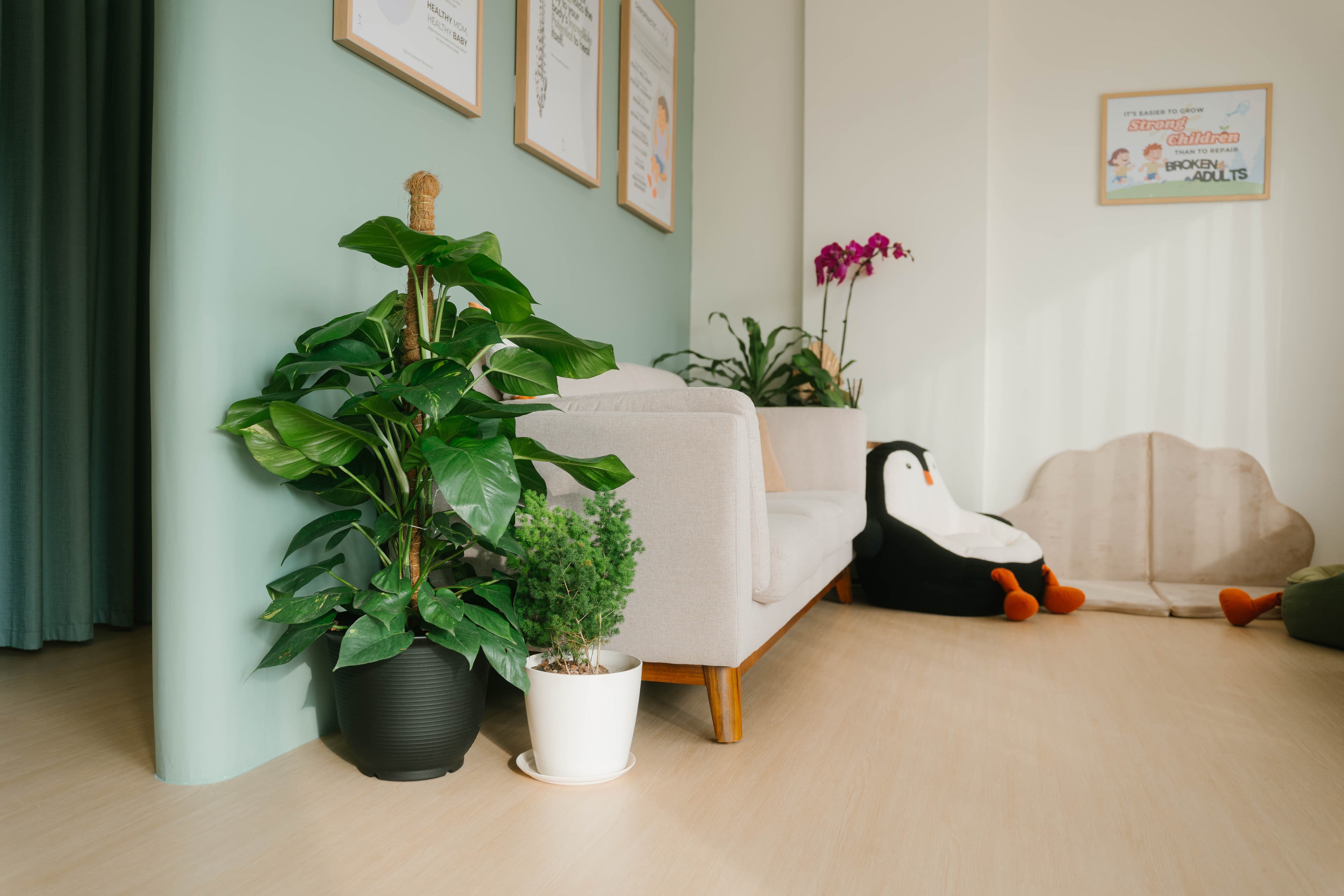
Pain is never just physical. The ache in your back or the numbness running down your leg is only the part you can point to. What it actually costs you is your sleep, your patience, your energy for the people you love, and the version of yourself you've quietly stopped being. At Thrive Gonstead Chiropractic (TGC) in Bandar Rimbayu, our job isn't to treat a sore back. It's to find what's interfering with your nervous system and hand your life back to you.
Why do most people wait so long to deal with pain?
Most people wait because pain becomes normal before it becomes unbearable. You adjust around it without noticing, trading small pieces of your life for temporary comfort. You don't book an appointment when the pain starts. You book it when the pain finally blocks something you can't afford to lose.
That's not a lack of discipline. It's how the nervous system works. Pain that builds slowly gets absorbed into your baseline until you stop registering it as pain at all and start treating it as just how your body is now.
So the moment someone finally walks through our door is rarely the moment the pain began. It's the moment the pain started threatening something core to who they are. We see this pattern constantly, and it's worth naming, because recognising it in yourself is often the first step to acting sooner.
What is chronic pain actually costing you?
Chronic pain costs far more than physical comfort. It taxes your nervous system, your relationships, and your sense of who you are, often before you notice any of it happening. Here's what we see it take from patients most often:
- Sleep. Pain disrupts the deep sleep stages your body needs to repair tissue and regulate mood, so you wake up tired even after eight hours in bed.
- Presence. When your brain is managing constant discomfort in the background, less of it is available for your spouse, your kids, or the conversation in front of you.
- Energy. A body in pain spends more metabolic effort just maintaining posture and guarding movement, which leaves less in the tank for everything else.
- Identity. You stop doing the things that make you feel like yourself, not because you don't want to, but because your body has quietly negotiated them off the table.
This is why we tell patients that most of the time, they don't have a back problem. They have a nervous system stuck in survival mode, and everything downstream of that, mood, energy, patience, presence, is the real bill.
How does chronic pain change your identity, not just your body?
Chronic pain changes identity because your sense of self is built on what you can reliably do for the people around you, and pain quietly takes that away first. We see this most clearly in two types of patients.
One is the grandmother who has lived with numbness down her leg for months but only comes in once she can no longer stand comfortably at the stove. She didn't seek help when the numbness started. She sought help when it threatened her ability to cook for her family, which for her isn't a chore, it's how she shows love. Losing that function meant losing a piece of who she is, not just a physical capability.
The other is the father in the early years of building his family, the one who stays quiet about his pain because he's "staying strong" for everyone else. He loses sleep, loses patience, loses the energy to get on the floor with his kids, and he tolerates all of it silently until his body or his wife finally insists he do something about it. He isn't ignoring the pain out of pride. He's ranking his family's needs above his own for so long that his own decline becomes invisible to him.
Both stories point to the same truth. The tragedy isn't a spine out of alignment. It's how much of yourself you'll quietly trade away before you decide you're allowed to ask for help.
What does it actually feel like to stop tolerating pain?
It feels like getting a piece of yourself back that you'd quietly written off. Not a dramatic before-and-after, but small, specific moments: standing at the stove without shifting your weight every few minutes, getting down on the floor with your kids without calculating the cost first, waking up already yourself instead of spending the first hour negotiating with your own body.
Pain is a thief, and thieves don't announce what they've taken. They just leave you with less, quietly, until less becomes what you think of as normal. You stop noticing the shrinking because you're the one doing the shrinking. You lower the bar for what a good day looks like, and you call that acceptance instead of what it actually is, which is loss.
We don't think you should have to accept a smaller life because your body has been managing pain instead of living. Enough is enough. You're not here to manage symptoms for another year. You're here to find out what your life looks like when your body stops working against you.
What can you expect once you decide to deal with this?
You can expect the change to show up in your life before it shows up on a pain scale, because presence and energy usually return before you consciously register that the ache is gone. Most patients tell us they realised they'd been sleeping through the night, or playing on the floor without thinking about it, before they thought to connect it back to their care.
That's usually the real marker of progress. Not "does it hurt less," but "have I quietly started showing up again for the people who need me." Getting there takes consistency, not a single visit, because a body that's spent months or years managing pain needs time to trust that it doesn't have to anymore.
We'll be honest with you about what realistic progress looks like for your specific situation at your first visit, because you deserve a plan, not a promise.
Frequently asked questions
Is it normal to wait months or years before seeking help for pain? Yes, it's common, because pain that develops slowly gets absorbed into your daily baseline until it quietly limits your life. Most patients seek help once the pain interferes with a role or activity central to their identity, not when it first appears.
Can chronic pain really affect my mood and relationships? Yes. A nervous system managing constant pain signals has less capacity for patience, presence, and emotional regulation, which shows up as reduced energy and less availability for the people around you.
Is it too late if I've been living with this pain for years? No. It's common to have tolerated pain for years before seeking help, and while longer-standing issues can take more time and consistency to address, it's rarely too late to start.
How do I know if my pain is affecting more than just my body? If you've noticed less patience, less energy for your family, or moments you've quietly opted out of, that's a sign pain is costing you more than physical comfort, even if you haven't named it that way before.
Do I need to be in severe pain before I come in? No. Many people wait until pain becomes unbearable, but the cost to your sleep, mood, and presence often starts long before the pain itself feels severe enough to act on.
The takeaway
Pain is rarely just about your back. It's about the sleep, the presence, and the identity you've been quietly trading away to manage it. You weren't built to spend your life managing a smaller version of yourself. If that sounds like what you've been tolerating, come see us at Thrive Gonstead Chiropractic in Bandar Rimbayu. What has your pain been quietly costing you?